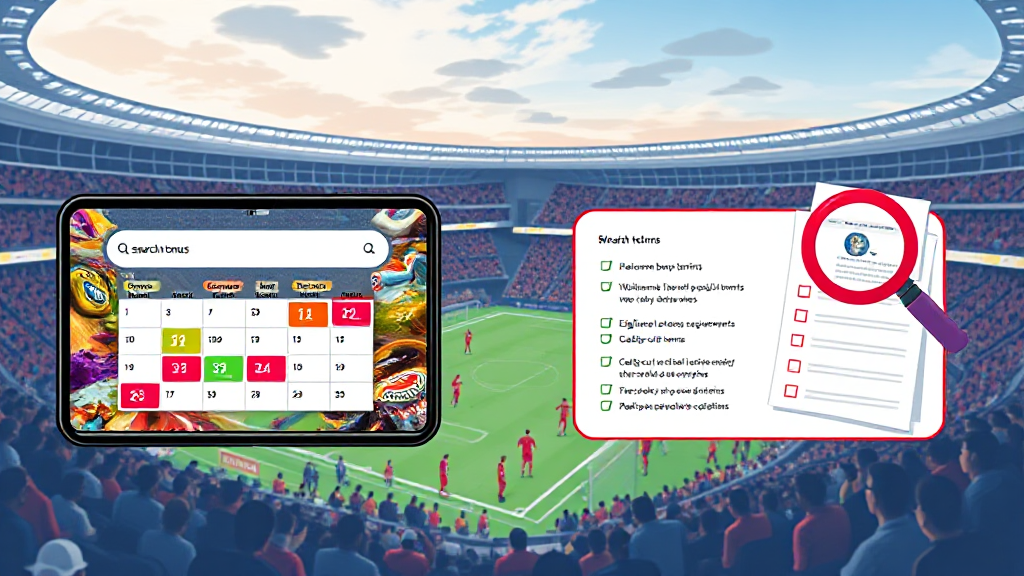
What You Type vs What a Rummy App Listing Can Answer
There is a quiet mismatch at the heart of how people find online gaming information. A player opens a search box, types something specific like “rummy app welcome bonus terms,” and lands on a listing page that answers a slightly different question. The page tells them a bonus exists. It may even show a number. But it rarely explains what the searcher actually wanted to know: what happens after they opt in, when the event window closes, and whether their cash-out will survive the wagering requirement. That gap between the typed query and the delivered page is worth understanding, because it shapes everything from expectations to eligibility checks.
This guide looks at the query types people actually use and pairs each one with what a rummy app listing can realistically answer. It is written for search-literate readers who want to know where a listing page helps and where it quietly stops. Along the way, resources such as AA GAME Online become useful reference points, not because they replace the app’s own terms, but because they help you frame better questions before you commit.
Query Type One: “Best Rummy App Bonus” and the Ranking Problem
This is the most common search phrasing, and it is also the vaguest. The word “best” implies a ranking, but a listing page is usually not in a position to rank anything objectively. What it can do is present options side by side, note the headline bonus figure, and flag the conditions attached to each. What it cannot do is tell you which one is best for your specific play style, bankroll, or patience with wagering terms.
A listing page answers the surface question: which apps are offering something right now. It often stops short of the follow-up: which of those offers will still be standing after you read the fine print. When you search for “best,” you are really asking for a recommendation. A listing page gives you a menu. The recommendation has to come from your own comparison of event windows, deposit thresholds, and the time you have available before a bonus expires.
This is where a bonus information site adds value. It collects the headline offers and the important caveats in one place, so you can see the menu and the terms together rather than chasing each app individually. The listing itself is a starting point. The judgment is still yours.
Query Type Two: “Rummy App Welcome Bonus Terms” and the Fine Print Gap
This query is more precise, and it exposes a bigger gap. A searcher typing “welcome bonus terms” wants the conditions: how much you must deposit, how many times you must wager the bonus, which games count toward the requirement, and how long you have before the offer lapses. A listing page typically shows the bonus amount prominently and the terms in smaller text, sometimes as a link, sometimes as a footnote.
What a listing can answer: the existence of a welcome bonus, the approximate value, and whether it is a deposit match, a flat reward, or a set of free entries. What it often cannot answer: the exact wagering multiplier, the contribution percentage of different game types, and the maximum cash-out cap that applies to winnings from the bonus. Those details usually live in the app’s own terms page, and they can change without the listing being updated at the same moment.
The practical takeaway is to treat the listing as a signpost, not a contract. When you see a welcome offer, note the headline figure, then go find the terms before you deposit. The listing told you where to look. The terms tell you what you are actually agreeing to.
Query Type Three: “Rummy App Event Window Today” and the Timing Question
Time-sensitive queries are where listing pages struggle most. A player types “event window today” or “bonus ending soon” and expects a live answer. A listing page is often updated on a schedule, not in real time. It can tell you that an event window exists and roughly when it opens and closes, but it may not reflect a last-minute extension or an early closure.
What a listing can answer: the general cadence of events, the typical duration of a promotional window, and whether an offer is recurring or one-off. What it cannot reliably answer: whether the window is still open at the exact moment you are reading. That kind of precision requires checking the app directly, ideally before you make a deposit or commit to a play session.
For players in India who are juggling multiple apps, this timing gap matters. An event window that closed yesterday is useless today, no matter how attractively it was listed. The habit to build is simple: use the listing to identify what is worth checking, then verify the window inside the app before you act on it.
Query Type Four: “Rummy App Wagering Requirement Explained” and the Math Gap
Wagering requirements are the most misunderstood part of any bonus, and the query “wagering requirement explained” is a signal that the searcher wants clarity, not just a number. A listing page can state that a bonus carries a wagering requirement, and it may even give the multiplier. What it rarely does is walk through what that multiplier means in practice.
Here is the gap in plain terms. If a bonus of a certain value carries a wagering requirement of several times that value, you are not free to withdraw the bonus until you have played through the required amount. Different games may contribute differently toward that total. Some may not count at all. A listing page that shows only the multiplier leaves the searcher to do the math alone, and many do not realize there is math to do.
A good bonus guide will spell out the multiplier, note which game types contribute, and flag any maximum cash-out cap. It will also remind you that wagering requirements are not a formality. They are the condition that determines whether a bonus is genuinely useful or simply decorative. Reading them before you opt in is the difference between a reward and a surprise.
This is also where eligibility checks come in. Age restrictions, regional availability, and account verification requirements can all affect whether a bonus is available to you at all. A listing page may mention that an offer is open to adults aged 18 and over in India. It may not mention that you need to complete verification before the bonus is credited. That detail usually sits in the terms, and it is worth finding before you deposit.
Query Type Five: “Rummy App Cash Out Terms” and the Withdrawal Reality
The final query type is the one that matters most at the end of the journey: “cash out terms.” A player who has played through a bonus wants to know how to withdraw, what the minimum threshold is, how long processing takes, and whether any portion of the balance is restricted. A listing page can tell you that cash-out is available and may note a processing time. It rarely explains the conditions that apply specifically to bonus-derived winnings.
What a listing can answer: that withdrawal is supported, the general method, and the typical timeline. What it cannot answer: whether your bonus winnings are capped, whether you need to complete additional verification, and whether the withdrawal window closes at a certain point. Those details are in the cash-out terms, and they are the ones that determine whether your effort converts into money you can actually use.
The pattern across all five query types is consistent. A rummy app listing is good at answering what exists and roughly what it is worth. It is weaker at answering what it costs you in conditions, time, and eligibility. The searcher who understands this division of labor gets more out of every listing page they visit.
None of this means listing pages are useless. They are efficient at scanning a crowded market and surfacing offers you might not have found otherwise. They are a map, not the territory. The territory is the terms page, the event window, and the cash-out conditions. When you treat a listing as a starting point and the terms as the final word, the gap between what you type and what you get closes considerably.
For players who want the headline offers and the key caveats gathered in one place, a bonus information site can shorten the search. But the final check always happens inside the app, with your own eyes on the terms that apply to your account. That is the habit that turns a search result into a sensible decision.
Leave a Reply